




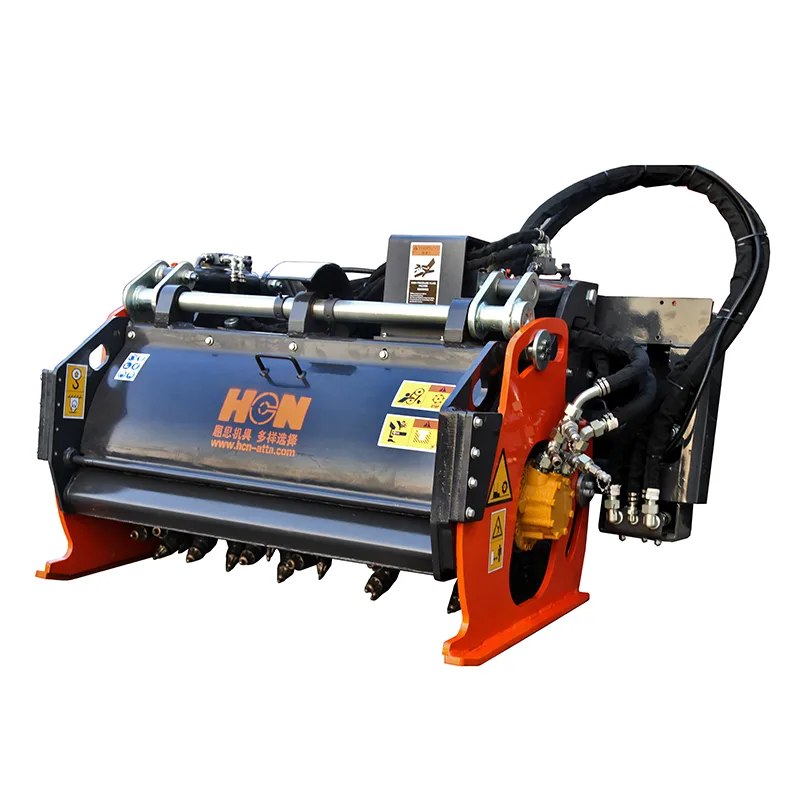
A Complete Guide to Choosing Excavator Attachments
Selecting the wrong excavator attachment is expensive in ways that do not show on the first invoice: slow cycles, hydraulic overheating, premature bushing wear, and idle machines waiting for a correct bracket. This guide is written for equipment dealers, rental houses, and contractors in Australia, North America, Europe, and the Middle East who need a repeatable method to spec hydraulic attachments against real jobs—not brochure photography.
HCN Attachments (XUZHOU HCN ATTACHMENTS MANUFACTURE CO., LTD) supplies engineering machinery attachments worldwide through factory direct export. The same logic our OEM team uses when building customized brackets applies whether you are quoting a single breaker or a fleet-wide bucket program on hcn-tech.com.
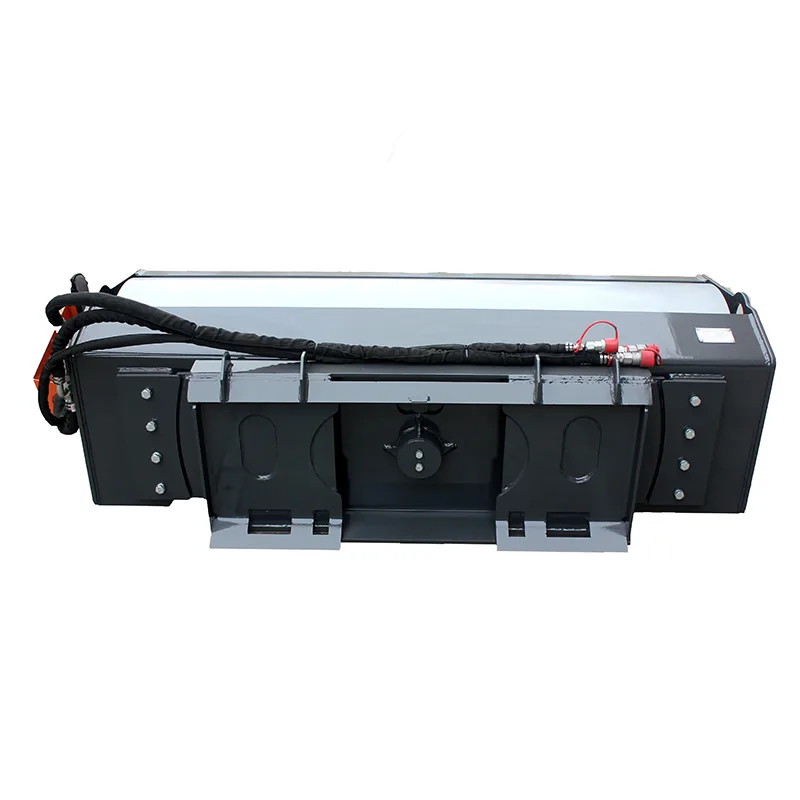
Step One: Define the Task and the Carrier
Start with the work, not the widget. Trenching for fiber, breaking footings, loading scrap, or finishing slopes each implies different geometry, weight, and hydraulic demand. Write down machine make, model, operating weight, pin size, dipper width, auxiliary flow, and pressure. Without those six data points, any excavator attachment recommendation is guesswork.
Carrier class matters because balance and swing torque limit what you can hang on the stick. A hydraulic attachment that is too heavy pulls the nose down, reduces breakout force, and stresses quick coupler locks. Too light and you under-utilize available flow, paying for a tool that never reaches rated impact or bucket fill.
Pin Geometry and Coupler Strategy
Pin-on mounts remain common on owned fleets; quick couplers dominate rental and multi-tool crews. When choosing a coupler, confirm it matches both the machine dipper and the attachment head. Mixed fleets in Canada and the USA often need OEM customization on bracket spacing so one coupler family covers several OEM pin layouts.
- Record pin diameter, center-to-center distance, and bracket width
- Decide pin-on vs quick coupler before ordering the first specialty tool
- Check lifting eye rating if the attachment will be machine-changed with a lift plan
- Confirm hose port orientation clears the cab and counterweight at full rotation
Step Two: Hydraulic Compatibility
Hydraulic attachment performance is bounded by flow (L/min or gpm) and pressure (bar or psi). Carrier manuals list auxiliary circuit capability; the attachment datasheet lists requirements. Mismatch causes poor performance or component failure. Dealers should keep a simple compatibility matrix in the CRM so inside sales quotes the right model on the first call.
For breakers, flow controls and accumulators on the carrier side affect blow frequency. For rotating tools—tilt buckets, crushers, grapples—return line backpressure matters. Engineering machinery attachment suppliers with CE certification publish test results so export partners can satisfy customer QA requests in EU tenders.
Single vs Dual Auxiliary Circuits
Many modern excavators offer two auxiliary lines. Thumbs, couplers, and tilt functions may need a dedicated circuit. If only one line is available, plan valve options or mechanical thumbs. HCN Attachments technical staff can advise on hose kit lengths and valve block interfaces during OEM customization for regional machine brands.
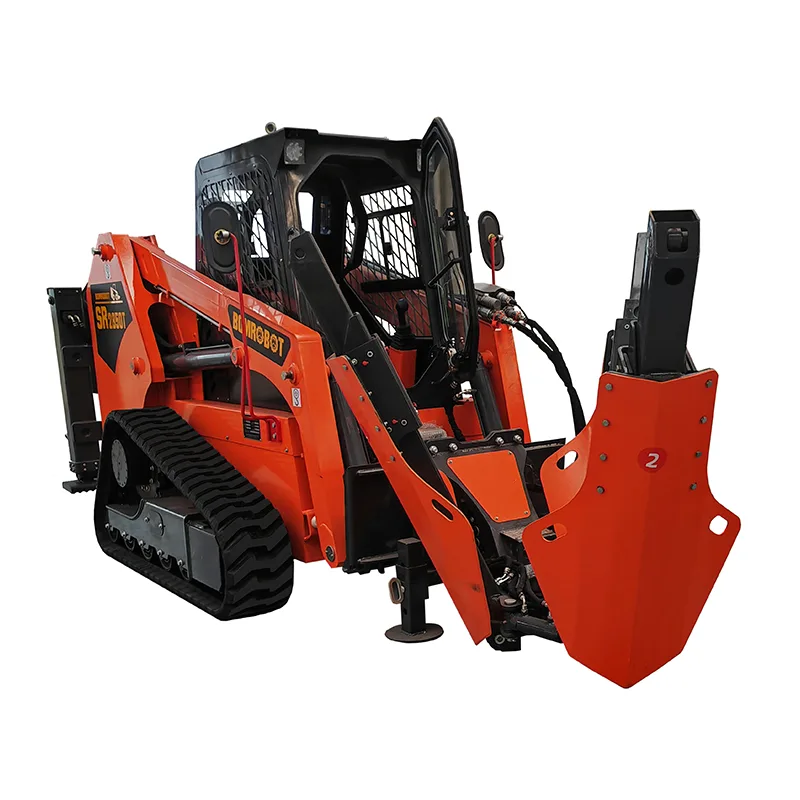
Attachment Categories and Selection Criteria
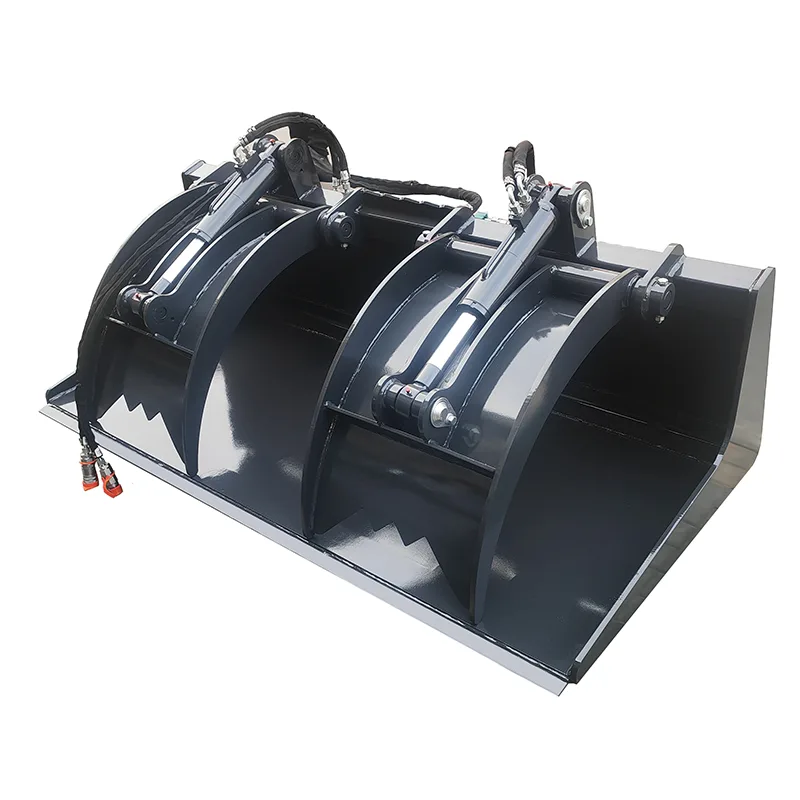
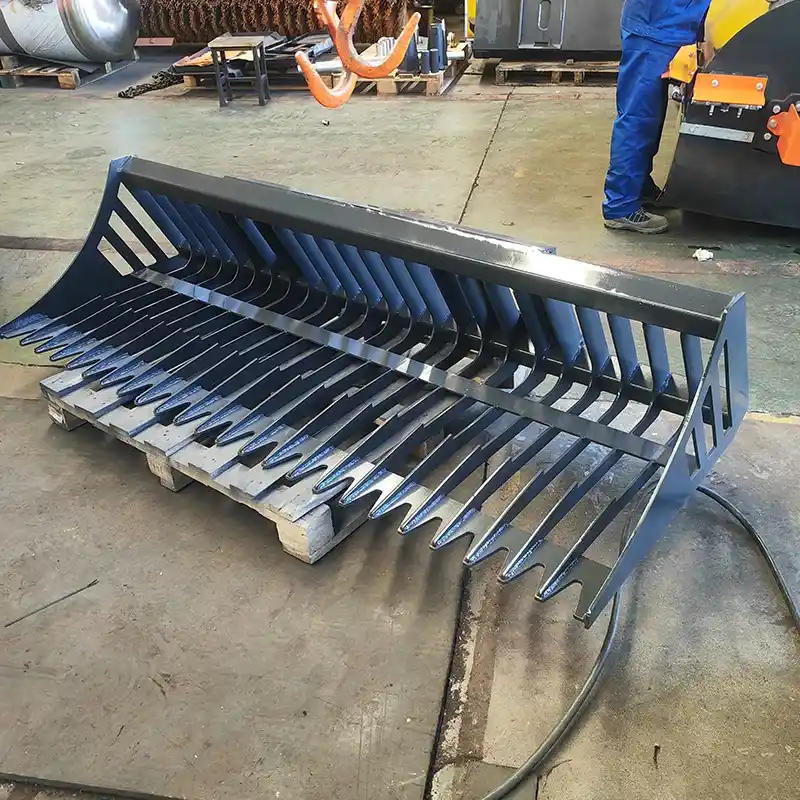
Buckets remain the highest-volume excavator attachment category: trench, ditching, rock, and skeleton variants each optimize fill rate or material separation. Breakers address hardness and production rate by tool weight and chisel type. Grapples and thumbs target demolition and forestry. Compaction tools replace hand plate work in utility trenches.
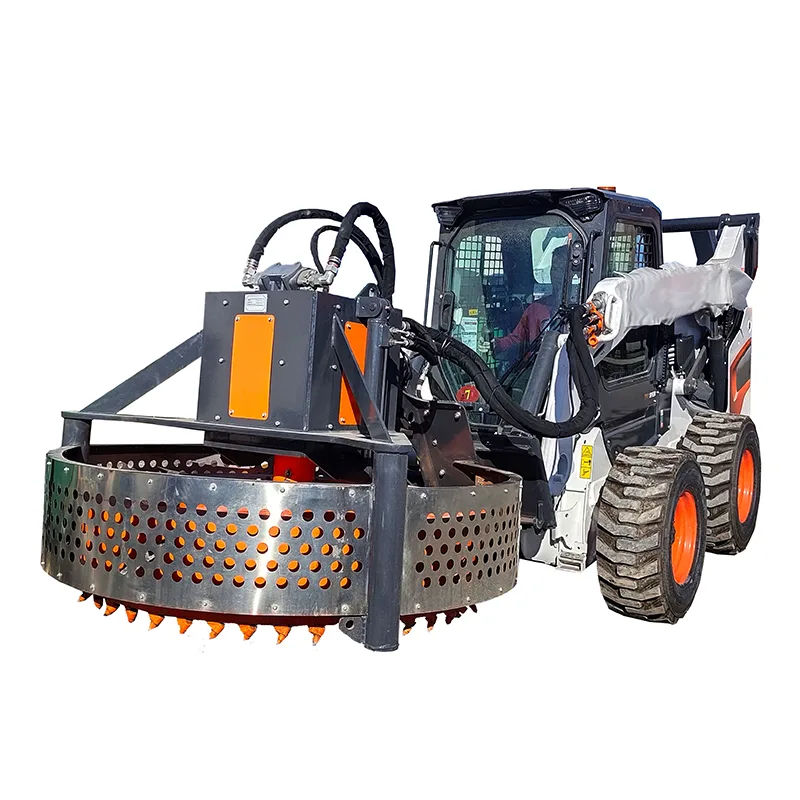
Skid steer attachment logic overlaps on small utility jobs where mini excavators and compact loaders share one yard—dealers who understand both lines capture more wallet share per customer. Cross-training sales staff on hydraulic attachment fundamentals for excavators and skid steers reduces misquotes across product families.
Comparison Table: Attachment Type vs Application
| Application | Recommended Attachment | Key Spec Priority | Common Mistake |
|---|---|---|---|
| Utility trenching | Narrow trench bucket | Width, tooth package | Bucket too wide for shoring |
| Rock trenching | Breaker + rock bucket | Flow match, chisel type | Undersized breaker weight |
| Demolition sort | Grapple + thumb | Rotation, jaw force | Ignoring counterweight |
| Pipeline backfill | Compaction wheel/plate | Compaction width, flow | No lift capacity check |
| General earthmoving | GP bucket + coupler | Capacity, quick change | Skipping coupler on multi-tool jobs |
| Slope finishing | Tilt bucket or grading bucket | Tilt angle, edge wear | Hydraulic line rub at full tilt |
Quality, Certification, and Supplier Selection
Not all steel boxes on a stick are equal. Plate thickness, weld procedure, heat treatment on pins, and bushing material define life in abrasive conditions. Ask suppliers for material certs, CE documentation where applicable, and spare parts availability. A China manufacturer with established global export—such as HCN Attachments—should provide consistent SKU labeling, English manuals, and warranty terms suited to distributor networks.
Factory direct sourcing removes intermediary markup but requires disciplined forecasting. Dealers in Europe and Australia often mix container loads: fast-moving buckets plus seasonal breaker stock. OEM customization lead times should be quoted separately from catalog items so project bids stay honest.
Total Cost of Ownership Checklist
- Initial price vs expected hours to first rebuild
- Local availability of teeth, chisels, hoses, and seals
- Operator training requirement and safety guarding
- Resale value when customers upgrade carrier class
- Warranty response time across time zones
Regional and Seasonal Considerations
Ground conditions in the Middle East demand attention to dust ingress on rotating joints. Nordic markets prioritize cold-temperature hose grades and grease intervals. American highway contractors often spec DOT-compliant visibility and backup alarm integration on specialized hydraulic attachments. The attachment category does not change; environmental detail does.
Rental fleets should standardize coupler families across excavator attachment inventory so yard staff swap tools quickly. Contractors with owned fleets may prefer pin-on for lowest weight on the stick. Dealers who document these personas sell fewer returns and fewer emergency freight upgrades.
Another layer is machine telemetry. Newer excavators log auxiliary hours and temperature trends. When a hydraulic attachment runs out of spec, data often shows elevated heat before a hose fails. Forward-thinking dealers use those logs in annual fleet reviews to recommend correctly sized tools—a consultative touch generic suppliers cannot replicate.
Finally, consider resale. Customers upgrading from 20-ton to 30-ton class machines ask whether existing buckets transfer. Documenting OEM pin families and offering trade-in credit on engineering machinery attachments keeps the transaction inside your dealership instead of on secondary markets.
Putting the Guide Into Practice
Build a quoting worksheet: task, carrier data, hydraulic circuit, attachment shortlist, and compliance notes. Train counter staff to never sell a hydraulic attachment without carrier confirmation—a five-minute phone call prevents a five-week RMA. Partner with manufacturers that offer drawing review and OEM customization rather than one-size brackets.
Project bids often bundle multiple excavator attachment types under one timeline. Sequence delivery so couplers and primary buckets arrive before specialty hydraulic tools—crews can begin earthmoving while breakers clear customs. HCN Attachments coordinates mixed shipments so dealers meet phased construction schedules common on EU rail and North American energy projects.
HCN Attachments supports distributors with spec sheets, application photos, and mixed export programs from our manufacturing base in Xuzhou, China. Whether your customer runs a 6-ton urban mini or a 30-ton quarry machine, the right excavator attachment chosen by method—not momentum—protects performance, margin, and reputation on every job site from Texas to Dubai to Sydney.
 +86 185 5285 3111
 +86 185 5285 3111
 nancy@hcn-tech.com
