




Hydraulic Breaker vs Compactor: How to Choose Right
Two of the most requested specialty tools on modern excavator fleets serve opposite material problems: one fractures solid mass, the other densifies loose fill. The hydraulic breaker and hydraulic compactor each depend on auxiliary hydraulics, but duty cycle, carrier sizing, and job economics diverge sharply. Dealers and contractors who quote the wrong excavator attachment pay in downtime, overheated circuits, and crews standing idle.
This comparison guide from HCN Attachments (XUZHOU HCN ATTACHMENTS MANUFACTURE CO., LTD) helps distributors and field managers in Australia, North America, Europe, and the Middle East choose between impact and compaction tools—or justify owning both. Product details and spec ranges are available on hcn-tech.com.
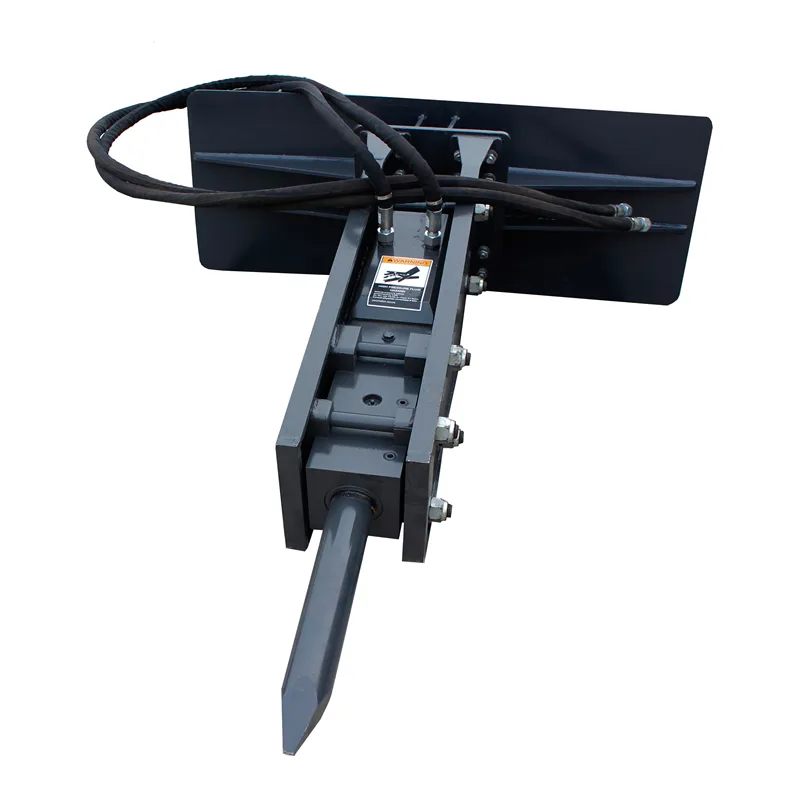
Hydraulic Breaker: When Impact Energy Is the Job
A hydraulic breaker converts flow and pressure into repeated piston strikes on a chisel. It is the primary engineering machinery attachment for rock excavation, concrete demolition, frost ripping, and secondary reduction in quarries. Performance scales with tool weight, blow frequency, and chisel profile—not bucket cubic yards.
Correct sizing ties breaker mass to carrier operating weight. Too large a hydraulic attachment transfers shock into the stick and coupler; too small extends breaking time and burns fuel without meeting schedule. OEM hydraulic attachments publish green-band pairings so dealers document recommendations against CE-certified data sheets.
Breaker Selection Variables
- Material hardness and fracture requirement (rock vs reinforced concrete)
- Production target (m³ per shift or linear meters per day)
- Noise and vibration limits on urban or night work
- Auto-greasing and dust suppression options for abrasive sites
- Chisel inventory: moil, blunt, cone for different fracture patterns
Hydraulic Compactor: When Density Is the Job
Hydraulic compactors—plate, wheel, and trench roller types—apply sustained force to loose soil, gravel, or backfill. They attach to the same excavator that excavated the trench, eliminating a separate compactor unit on tight utility right-of-way projects. Flow drives vibration or wheel rotation; the goal is proctor density, not fracture.
Contractors on pipeline, fiber, and municipal water jobs report strong ROI when compaction quality gates inspection. A skid steer attachment variant may serve small urban digs, but mid-size utility work still favors excavator-mounted plates and wheels for reach and visibility from the cab.
Side-by-Side: Breaker vs Compactor at a Glance
| Criteria | Hydraulic Breaker | Hydraulic Compactor |
|---|---|---|
| Primary function | Fracture rock/concrete | Densify soil/backfill |
| Typical carrier | 12–45 ton excavator | 8–30 ton excavator |
| Hydraulic demand | High peak pressure, pulsed flow | Moderate steady flow |
| Wear focus | Chisel, bushings, nitrogen chamber | Vibration bearings, plate/ wheel surface |
| Safety concern | Flying debris, noise | Pinch zones, unstable edges |
| Typical jobs | Quarry, demolition, rock trench | Utility trench, pad prep, backfill |
| OEM customization | Bracket, chisel, silence kit | Width, wheel vs plate, hose length |
Hydraulic System Implications
Breakers stress auxiliary circuits with spike loads. Carriers may require hammer lines, relief adjustment, and sometimes additional counterweight. Running a breaker on an under-specified circuit causes slow blows and heat buildup in the hydraulic attachment and the machine pump.
Compactors draw more steady load at moderate pressure. The risk is less spike damage and more continuous operation heat if flow is marginal. Dealers should verify whether the customer runs breaker and compactor on the same machine—if so, quote the heavier hydraulic spec and train operators to switch relief settings per tool.
Can One Machine Carry Both?
Many utility contractors alternate breaking hard spots and compacting lift layers in the same trench. One excavator with a quick coupler and two hydraulic attachments is viable when auxiliary hydraulics are sized for the breaker—the higher-demand tool. HCN Attachments supports hose kit lengths and coupler interfaces through OEM customization so changeover stays under a single shift hour including inspection.
Cost and Utilization Logic
Breakers carry higher unit cost and parts spend (chisels, seal kits) but command premium day rates on demolition bids. Compactors cost less upfront and earn steady utilization on utility frameworks that repeat weekly. Rental fleets in the USA and Canada often stock both because customer mix spans energy, telecom, and site prep.
Factory direct sourcing from a China manufacturer with CE certification lets dealers hold margin while pricing competitively against local fabricators who cannot match volume part pricing. Global export programs from HCN Attachments include mixed-container options so dealers restock breakers and compactors on one shipment lane.
Maintenance intervals differ sharply between the two tool types. Breaker nitrogen chambers and chisel shanks need weekly inspection on demolition accounts; compactor drums and eccentric bearings follow hour-based grease schedules tied to vibration duty. Dealers who bundle first-service kits at delivery reduce early-life failures and build trust with contractors new to hydraulic specialty tools.
Noise ordinances in European city centers and Australian residential infill projects sometimes favor silenced breaker housings or electric carrier alternatives for compaction. Quote acoustic data where municipalities publish decibel limits—OEM hydraulic attachments with tested silence kits win permits that generic tools lose.
Application Scenarios: Which Tool Wins
Scenario A — Rock utility crossing: Breaker required to open the heading; compactor follows for bedding and cover fill. Own both or sequence rental; attempting to compact before breaking wastes compactor life on oversize material.
Scenario B — Building slab removal: Breaker primary; compactor only if site grading and backfill are in the same contract. Do not spec a compactor for fracture work.
Scenario C — Fiber trench in soft soil: Compactor primary; breaker optional for isolated boulders. Many AU and European telecom contractors run compactor-only fleets on soft geology.
Scenario D — Quarry overburden: Breaker dominant; compactor irrelevant until pad construction. Size the hydraulic attachment for production, not trench width.
Safety and Compliance Notes
Breakers demand eye and ear protection zones, machine-mounted guarding where required, and nitrogen chamber training for service staff. Compactors require stable trench benches and spotters when working near live utilities. CE-certified OEM hydraulic attachments include manuals that dealers should copy into customer safety packets—especially for EU and UK sites with strict method statements.
Insurance and site audits increasingly ask for tool serial numbers and inspection dates. OEM supply chains with traceable batches simplify that paperwork; anonymous imports do not. Document every hydraulic attachment delivery with spec sheets stored alongside carrier serial numbers for a defensible file if incidents occur.
Making the Call with Your Dealer or OEM Partner
Write the scope: material type, density standard, production rate, and carrier data. Ask your supplier to confirm flow, weight, and bracket fit in writing. If the job alternates fracture and compaction, plan coupler strategy and hydraulic peak load upfront.
HCN Attachments manufactures hydraulic breakers, compaction plates, compaction wheels, and related engineering machinery attachments for global export. Visit hcn-tech.com for model ranges, or contact our OEM team for customized brackets and hose kits matched to your carrier fleet. The right choice between hydraulic breaker and hydraulic compactor is not ideological—it is mechanical, economic, and entirely predictable when spec precedes purchase.
Rental rate cards should reflect duty differences: breakers command premium daily pricing but higher damage risk; compactors earn steady utility rates with lower incident frequency. Dealers who publish transparent rate guidance help contractors choose rent versus buy correctly—a service that builds loyalty beyond the initial excavator attachment transaction.
 +86 185 5285 3111
 +86 185 5285 3111
 nancy@hcn-tech.com
