




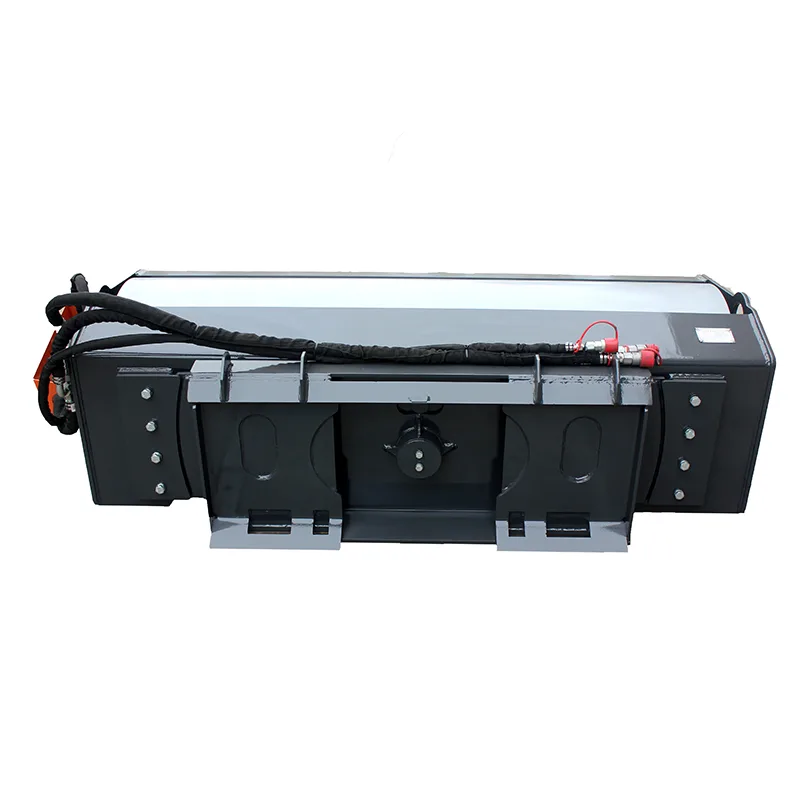
Skid steer loaders and compact track loaders (CTL) sell on versatility—but most of that value sits in the attachment lineup, not the base unit alone. A rotary cutter, cold planer, or heavy-duty grapple that runs on the wrong hydraulic circuit will stall in the field, overheat hoses, or fail warranty review. For equipment dealers and distributors, the difference between standard-flow and high-flow auxiliary hydraulics is one of the most common—and most costly—specification errors on export and domestic orders.
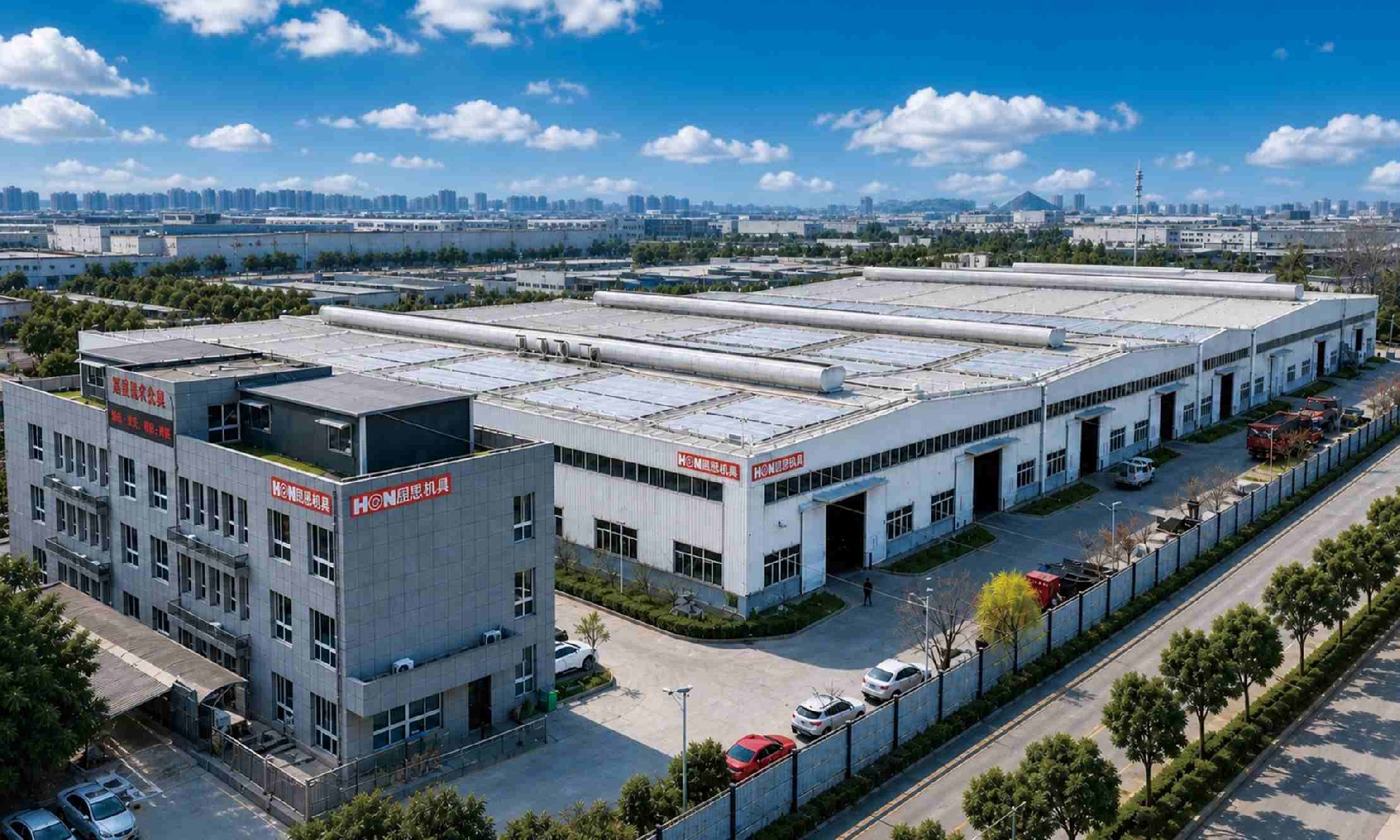
HCN Attachments Manufacture Co., Ltd. (HCN Attachments) supplies factory-direct skid steer attachments and related tools to partners worldwide. With more than 20 years of manufacturing experience, a portfolio of 400+ attachment models, and production within a 21,000㎡ facility operating under CE and ISO quality systems, our engineering team reviews machine data on every quotation. This guide explains how dealers should spec flow, pressure, and mounting so customers receive attachments that match real fleet capability—not catalog assumptions.

What Standard-Flow and High-Flow Actually Mean
Carrier manufacturers publish auxiliary hydraulic ratings in liters per minute (L/min) or gallons per minute (GPM), often with separate figures for standard and high-flow circuits. Standard-flow packages typically serve buckets, grapples, augers, and light rotary tools on smaller skid steers. High-flow circuits—sometimes paired with case drain lines and higher-capacity coolers—support demanding attachments such as cold planers, large mulchers, and certain trenchers that need sustained oil volume.
Flow alone does not tell the full story. Dealers must confirm system pressure, whether the machine offers electrical activation for certain tools, and if the coupler arrangement includes a dedicated case drain port where the attachment requires it. Misalignment on any one parameter can produce acceptable demo performance in the yard and unacceptable duty on a hot, dusty job site.
Why Dealers Feel the Pain First
Returns and rework — wrong-flow attachments shipped overseas are expensive to swap
Warranty disputes — hydraulic failures traced to over-pressurisation or insufficient flow
Lost attachment revenue — customers delay second-tool purchases after a bad first experience
Support load — service teams troubleshooting issues that specification should have prevented
Standard-Flow Attachments: Typical Applications
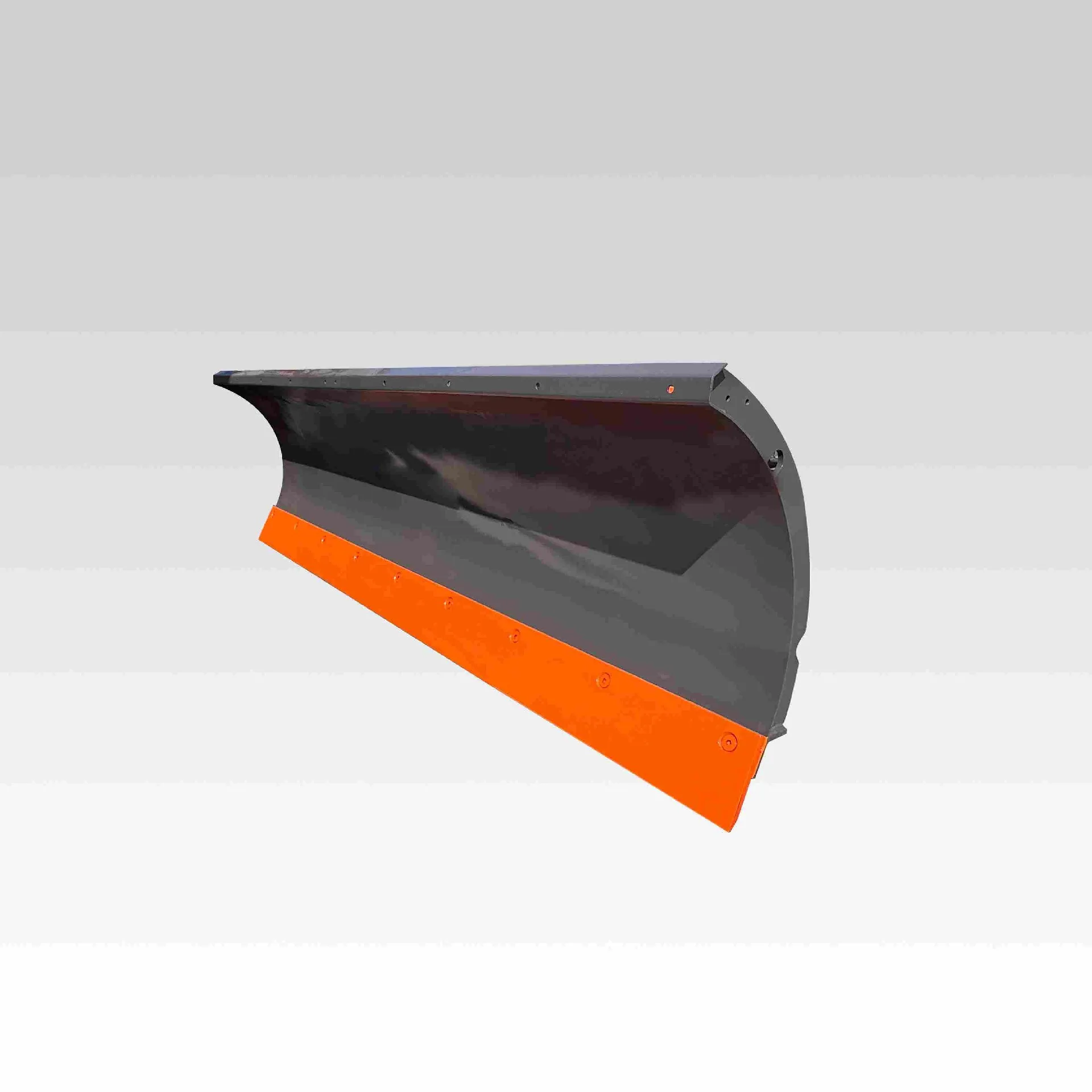
Standard-flow skid steer attachments cover the majority of rental and contractor fleets. Common categories include general-purpose buckets, pallet forks, brooms, small augers, light-duty grapples, and many snow tools. These implements are engineered for moderate hydraulic demand and shorter continuous run times.
When quoting standard-flow tools, collect the customer’s exact machine model, operating weight class, and auxiliary flow at rated engine speed—not generic brochure ranges. Bobcat, Caterpillar, Case, New Holland, JCB, and other brands use different coupler interfaces and flow packages even within similar horsepower bands. HCN Attachments confirms mounting plate geometry and hydraulic port layout against supplied machine data before production release.
High-Flow Attachments: When Volume Matters
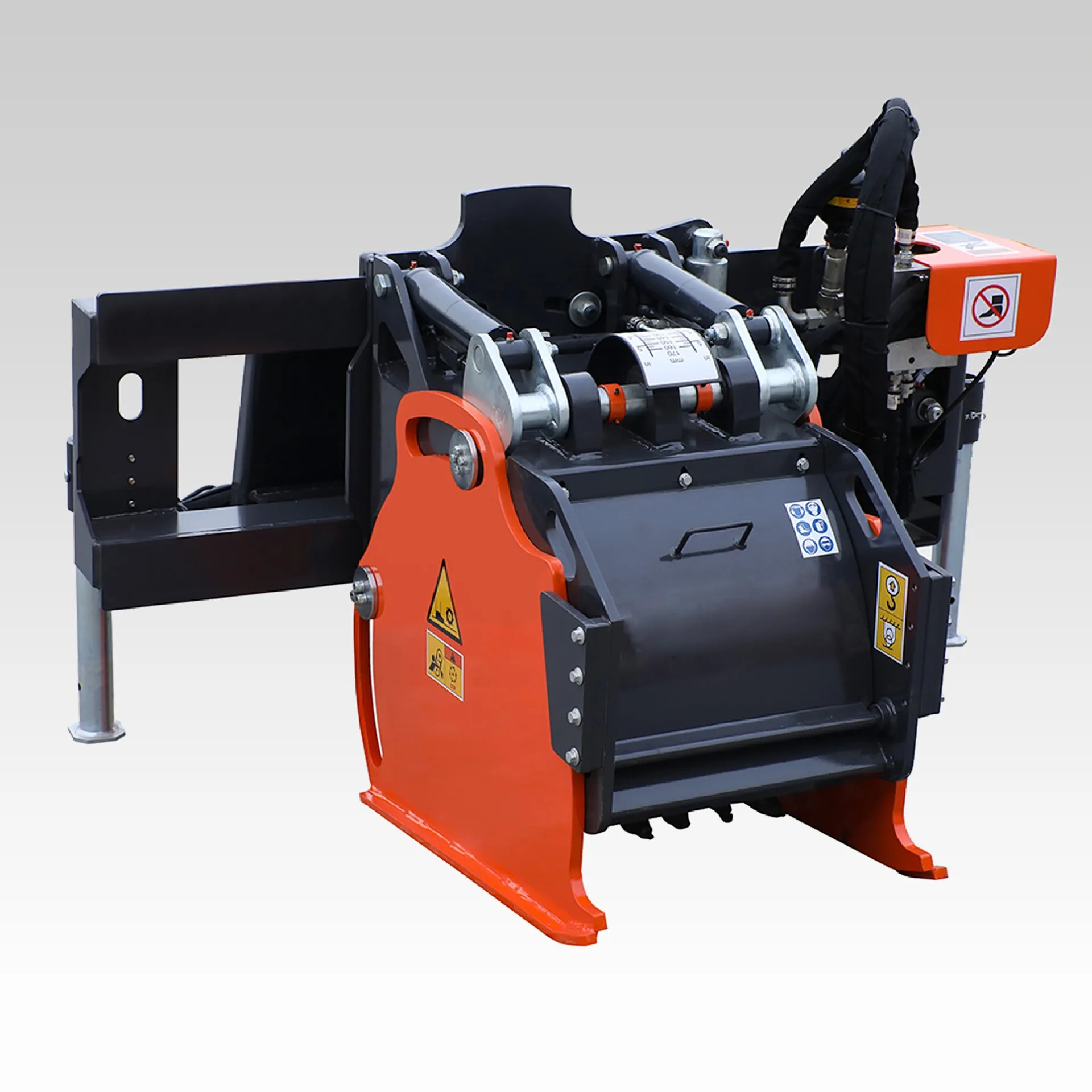
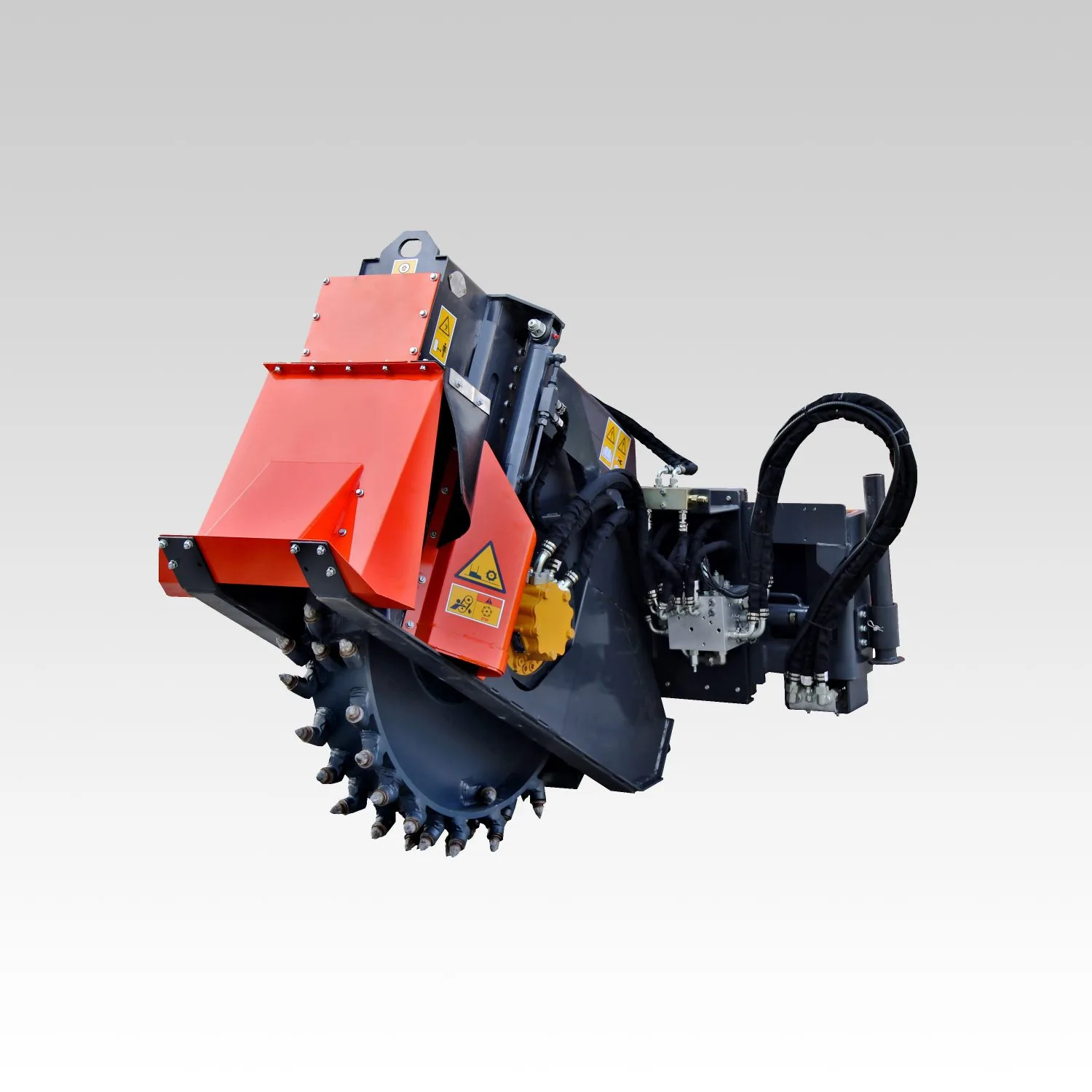
High-flow skid steer attachments depend on sustained oil delivery. Forestry mulchers, cold planers, planer-style road tools, and some heavy rotary cutters fall into this group. Running them on a standard-flow circuit may produce movement at idle test but cannot maintain torque under load.
Dealers should treat high-flow orders as a technical review, not a SKU pick. Ask whether the carrier has factory high-flow or a field kit, if the cooling package supports continuous auxiliary use, and whether the customer understands case drain routing. OEM and private-label programmes from HCN Attachments can align hose lengths, coupler brands, and label language for regional compliance while keeping hydraulic design within rated limits.

Specification Checklist for Every RFQ
Use a consistent intake form for attachment inquiries—whether the customer is a single contractor or a national rental house. The checklist below reduces back-and-forth and speeds factory-direct quotations.
| Data Point | Why It Matters | Common Source |
|---|---|---|
| Machine brand and exact model | Coupler and flow tables are model-specific | Serial plate, owner manual |
| Operating weight / ROC | Stability with heavy attachments | Manufacturer spec sheet |
| Auxiliary flow (std / high) | Core match for hydraulic tools | Manual hydraulic section |
| System pressure | Relief settings and seal selection | Manual or dealer portal |
| Coupler type | Flat-face, SAE, or brand-specific | Photo of machine couplers |
| Case drain requirement | Mandatory on many high-flow motors | Attachment + carrier manuals |
| Electrical requirements | Solenoid or multi-function controls | Carrier auxiliary wiring diagram |
| Application and duty cycle | Distinguishes demo use from production shift work | Customer job description |
Compact Track Loaders: Same Logic, Different Stability
CTL units share many skid steer attachments but differ in ground pressure, travel speed, and sometimes auxiliary plumbing location. A trencher or box rake that balances well on wheels may feel nose-heavy on tracks if counterweight and lift capacity are ignored. Dealers quoting CTL fleets should verify lift path clearance and whether the customer runs flotation tracks in soft conditions where attachment width affects grading quality.
HCN Attachments supports both skid steer and compact track loader mounting where quick-attach plates follow industry-standard patterns. Fitment confirmation from machine model data remains the final gate before manufacturing—especially on mixed fleets imported into the Middle East, North America, Europe, and Oceania export markets.
Training Sales and Counter Staff
Counter teams often sell attachments on price and lead time while hydraulic mismatch creates service tickets weeks later. Short internal training on flow basics—standard versus high-flow, case drain purpose, and why “it fits the plate” is not enough—protects margin and reputation.
Publish a one-page flow chart linking attachment categories to minimum flow bands
Flag high-flow SKUs in the ERP with a mandatory machine-data field
Pair first-time hydraulic tool buyers with a spec review before checkout
Stock wear and seal kits for high-demand tools to reduce downtime narratives
Factory-Direct Supply and Documentation
Export dealers benefit when the manufacturer documents hydraulic ranges, mounting interfaces, and quality credentials in English for tender files. CE and ISO aligned production practices support customer audits; factory-direct communication shortens the loop when a regional fleet needs a coupler variant or private-label nameplate.
HCN Attachments does not publish pricing in marketing content—quotations depend on model, quantity, configuration, and destination port. Dealers should encourage customers to submit complete machine data early so proposals include the correct flow class, spare parts recommendations, and export packing suitable for container shipment.
Internal Linking and Next Steps for Buyers
After hydraulic class is confirmed, buyers typically compare tools within a machine category—buckets versus grapples, snow versus soil, or OEM branding options. Engineering guides on hcn-tech.com cover adjacent topics such as excavator attachment selection, CE expectations, and import planning for machinery attachments sourced from China manufacturing partners.
Contractors who only need a single tool should still document hydraulic data once; that record speeds every future attachment purchase across the fleet.
Conclusion
Standard-flow and high-flow skid steer attachments serve different duty levels. Dealers who capture machine model, auxiliary flow, pressure, coupler type, and case drain requirements before order placement reduce returns, protect hydraulic warranties, and build recurring attachment revenue. Compact track loader customers need the same discipline with added attention to weight and stability.
HCN Attachments manufactures skid steer, excavator, wheel loader, and backhoe loader attachments for global dealers and OEM programmes. To request a factory-direct quotation, share machine brand and model, hydraulic flow and pressure, attachment type, quantity, and destination country through the contact options on hcn-tech.com. Complete inquiries are usually answered within one business day.
 +86 185 5285 3111
 +86 185 5285 3111
 nancy@hcn-tech.com
